A First-Time Buyer's Checklist Before Booking a Pre-Launch Flat
Featured Image of A First-Time Buyer's Checklist Before Booking a Pre-Launch Flat


Booking a pre-launch flat means buying a home before it is built. Before booking a pre-launch flat, a first-time buyer must check the builder, find out the RERA status, look at the area, know the payment plan, and count hidden costs. This choice carries a small risk of delay because the flat is not ready yet. But you also get a very low price and the best choice of homes. Pre-launch deals are very popular due to steep early price cuts. These cuts help you save money right away. Still, you must choose carefully based on hard data rather than nice advertisements. This short real estate guide helps you avoid big risks and buy a safe, high-value asset.
1. Check the Builder’s Reputation


Checking a builder's record means looking at their past work and handover dates. You must study their work over the last ten years to know their market strength.

  • Past work: Check if they built old homes on time.
  • Build quality: Visit old sites to test the walls and pipes.
  • Reviews: Look online for any complaints or bad remarks.

Choosing a top name reduces the risk of long delays and poor work.

2. Verify RERA Registration


Checking RERA registration ensures the project follows the law and keeps your money safe. Always look at the main government site before you pay any booking token.

  • RERA number: Check the project code on the state web portal.
  • Approved maps: View the layout plans to see the exact total of floors.
  • Final date: See the fixed day the builder must hand over the keys.

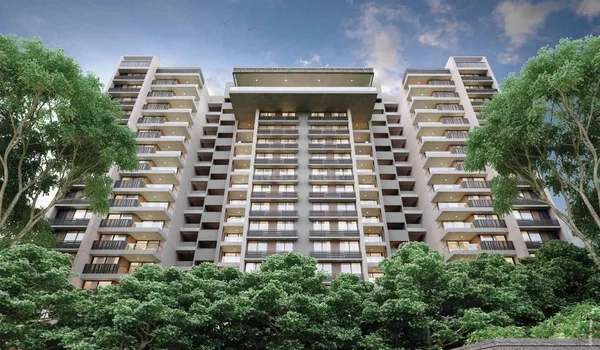
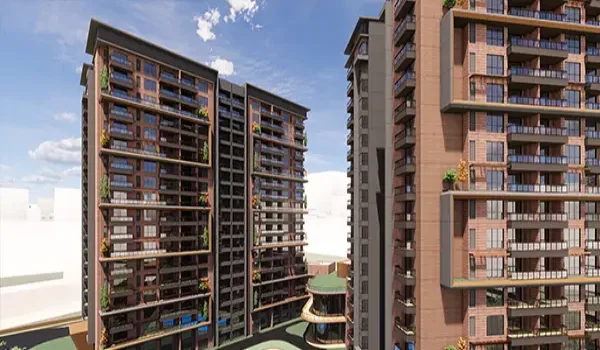
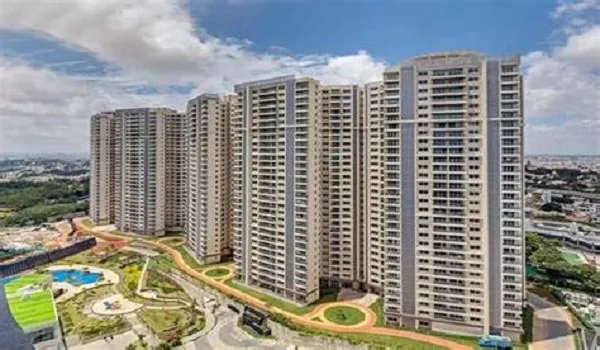
For example, the new Arvind Sylva project in East Bengaluru shows high safety. Its Karnataka RERA application is in process, with approval due by July 10, 2026. This is just before its main launch date on July 15, 2026.

3. Understand the Location Growth Potential


Checking location potential means seeing if there are jobs, main roads, and schools nearby. The better the location, the better your future rent and resale value.

  • Work hubs: Map the short drive to big tech parks and offices.
  • Road links: Look for new metro lines or wide highways being built now.
  • Daily needs: Find good hospitals, schools, and shops near the site.

Buying in a fast-growing tech zone brings big gains and an easy life.

4. Review and Negotiate the Pre-Launch Payment Plan


Reviewing a payment plan means checking that your cash moves with actual building work. Pre-launch flats look good because they offer easy, step-by-step payment paths.

  • Work-linked plans: You pay in small parts as construction moves forward (floor by floor).
  • Down payment plans: You pay a large amount at the beginning and get better discounts.
  • Launch deals: You book early with a small token amount and get lower starting prices.

5. Know Carpet Area vs Super Built-up Area


Knowing the carpet area means the actual inside space you can use in a flat.

Many new buyers get confused because the total size also includes common areas like stairs and lifts.

  • Carpet area: This is the net space where you can lay rugs and walk.
  • Super built-up area: This big size includes shared stairs, lifts, and halls.

Always compare flats based on the cost per square foot of real carpet area.

6. Check Possession Timeline


Checking the possession timeline means knowing the fixed date when the builder will give you the flat keys. For pre-launch projects, you usually have to wait about 3 to 5 years before you can move in.

  • End date: Ensure the contract date matches the main RERA file.
  • Site speed: Watch how fast the team digs land and lays foundations.
  • Delay terms: See how much the builder pays if they are late.

The Arvind Sylva site offers clear plans with a fixed possession date of December 2031. This gives them a clear five-and-a-half-year plan to build.

7. Identify Hidden Costs


Finding hidden costs means adding up extra fees like tax, registration, and club access. The first price quote rarely tells you the absolute total cost of the home.

  • Car parking: A safe slot for your car always costs extra cash.
  • Club fees: Extra money for using facilities like the gym, pool, and clubhouse.
  • Tax and maintenance: You may also need to pay GST and advance maintenance charges.

Listing these extra costs early keeps you from running out of cash later.

8. Verify Legal Documents


Verifying legal documents means a lawyer checks all the land papers to make sure they are correct and there is no problem or dispute. This helps you know the property is safe and legally clear. It also saves you from any future ownership or legal issues.

  • Title deeds: Confirm the developer owns the land or has a valid contract.
  • Work permit: Check if local boards gave the official green light to build.
  • Clear paper: Get a document to prove the land has no bank debts.

9. Read the Buyer Agreement Carefully


Reading the agreement means carefully checking all the small details about refunds and flat features. This document is very important because it protects your money and your rights as a buyer.

  • Exit policy: Check how much money the builder will cut if you cancel.
  • Refund time: See how many days it takes to get your money back.
  • Flat details: Make sure the agreement clearly shows the exact materials, fittings, and finishes used in the flat.

10. Think About Resale Value


Checking the resale value means guessing how fast you can sell the home for a profit later. Even if you stay there, your home must act as a top asset.

  • Area demand: Track local population gains and new shop openings nearby.
  • Builder name: Top brands hold their value well and sell very fast later.
  • Upkeep quality: Good parks and tight security keep the project looking brand new.

A home near great roads will beat basic inflation and protect your cash.

FAQs


1. What does a pre-launch flat mean?

A pre-launch flat means a home that is sold before construction starts. Buyers invest early to get lower prices and also get a better chance to choose good flat locations.

2. Is buying a pre-launch property safe?

It is safe if the project has a valid RERA number and clean papers. Stick to the top builders and check government sites before you pay any cash.

3. Why are pre-launch prices so low?

Builders offer early price cuts to raise quick funds before full work starts. This helps them secure early deals while giving buyers a low cost.

4. Is it possible to take a bank loan for a pre-launch project?

Yes, major banks offer home loans once the project gets its RERA number. The bank then releases the loan cash in clear stages based on work.

5. How do I find out the real size of the flat?

Look only at the RERA carpet area in the main contract. This tells you the exact floor space inside your flat walls, excluding shared stairs and lobbies.

Enquiry
Enquire Now